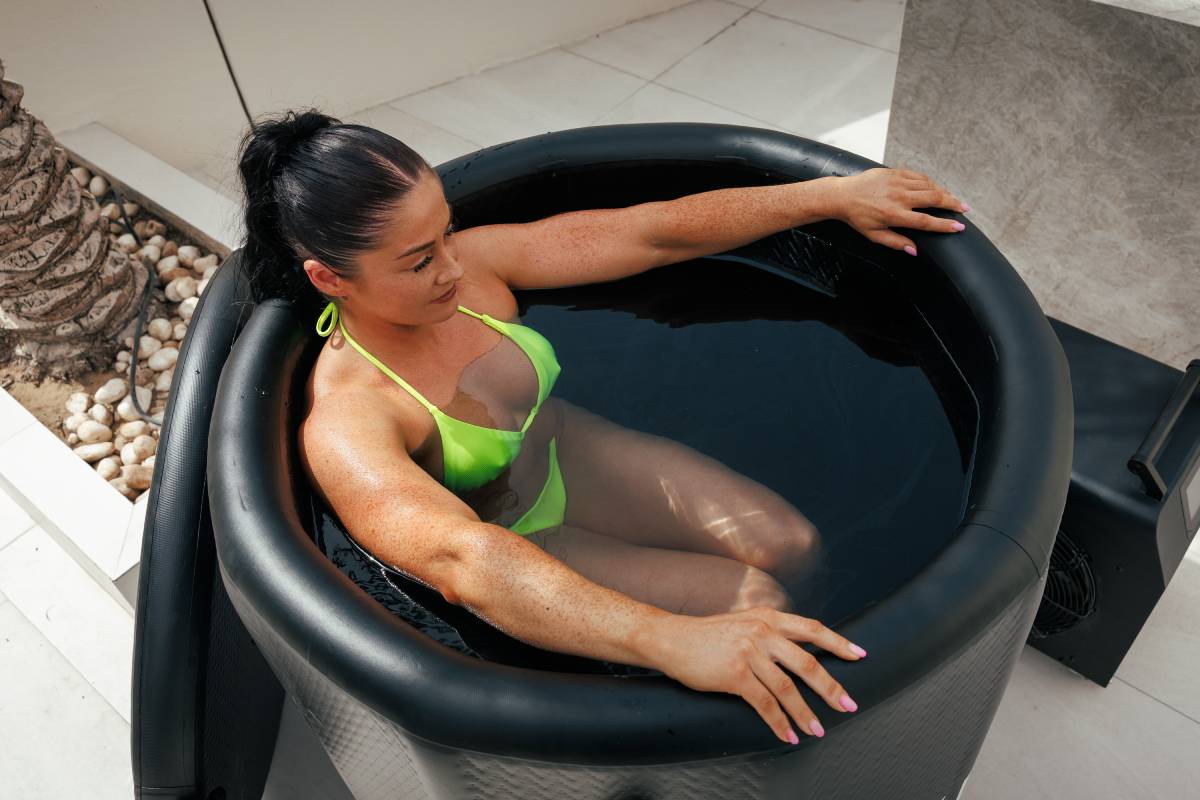
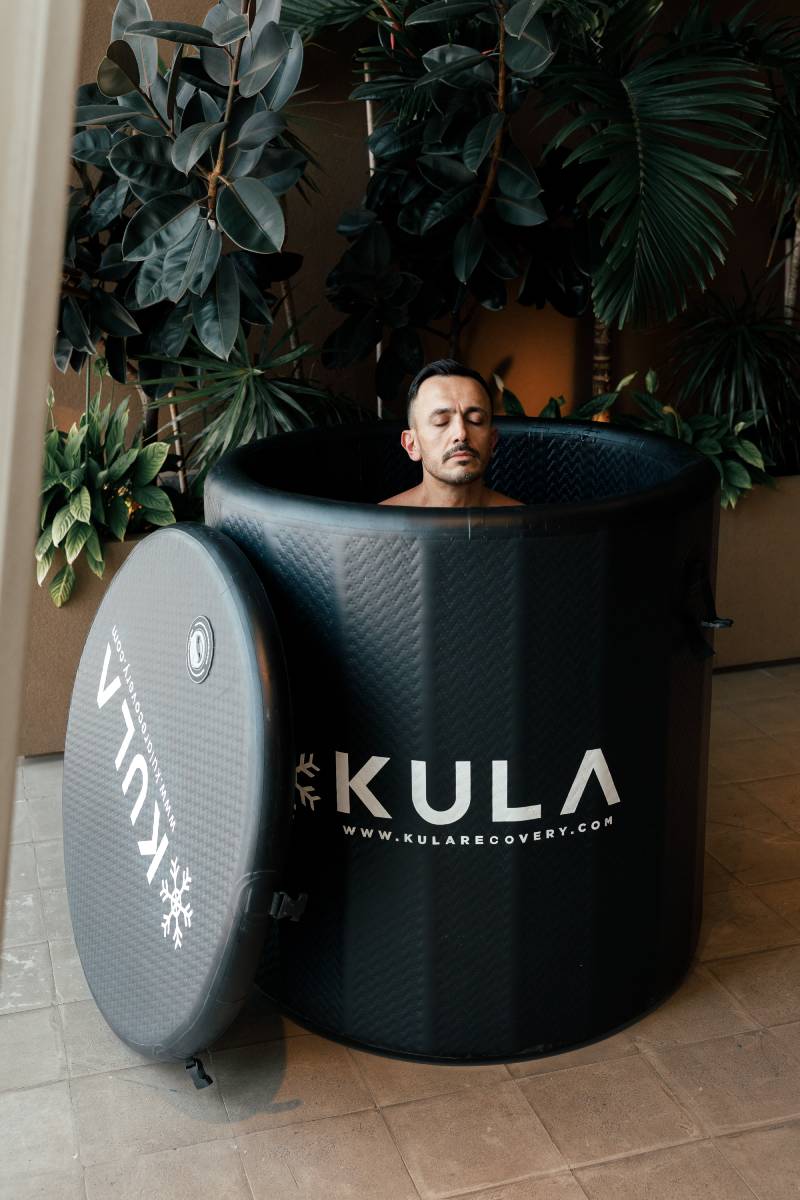

The most common question we get at KULA Recovery? "Does a cold plunge actually work in Dubai heat?" It's a fair question. When it's 45°C outside and the sun is baking your terrace, the idea of a machine keeping your water at 10°C sounds almost impossible. This guide answers exactly that and gives every UAE cold plunge owner a practical, honest playbook for getting the most from their investment all year round.
45°C
PEAK SUMMER AMBIENT TEMP IN DUBAI
10–15°C
OPTIMAL COLD PLUNGE TEMP FOR RECOVERY
3–11 min
WEEKLY COLD EXPOSURE FOR MEASURABLE BENEFIT
1 Do Cold Plunge Chillers Actually Work in UAE Summer?
Yes but with important nuance. Not all chillers are built equal, and the UAE climate puts serious stress on underpowered units. Here's what's happening inside your chiller when it's fighting 45°C ambient heat. A cold plunge chiller works by running refrigerant through a heat exchange cycle, pulling heat out of the water and dumping it into the surrounding air. When the surrounding air is already extremely hot, the chiller has to work significantly harder to achieve the same water temperature and cheaper or underpowered units simply can't keep up.
KULA TIP
All KULA Recovery chillers including the Super Chiller 1.5HP and Alpha 1HP are tested and rated for 1 operation in ambient temperatures exceeding 40°C. This is not standard across all brands. Always check a chiller's ambient operating range before buying in the Gulf.
What temperature can you realistically achieve?
| AMBIENT TEMP (OUTSIDE) | ACHIEVABLE WATER TEMP | PERFORMANCE |
|---|---|---|
| Below 30°C (UAE winter) | 3°C – 10°C | Excellent |
| 30°C – 38°C (spring/autumn) | 6°C – 12°C | Very Good |
| 38°C – 44°C (early/late summer) | 10°C – 15°C | Good keep chiller shaded |
| 44°C+ (peak Dubai summer) | 12°C – 18°C | Effective optimal placement critical |
The good news: 12°C to 18°C is still fully effective for cold therapy. Research by Dr. Andrew Huberman and teams at the Karolinska Institute shows that cold water in the 14–20°C range triggers the same dopamine, norepinephrine, and metabolic responses as colder temperatures it just requires slightly longer immersion (3–5 minutes versus 1–2 minutes). Even at peak Dubai summer, you are getting the full benePt.
2 Where to Place Your Cold Plunge Outdoors in Dubai
Placement is the single most important factor in chiller performance during UAE summer. Get this right and your unit will hit target temperature every session, run efficiently, and last longer.
The non-negotiable rule: keep the chiller in the shade
Direct sunlight on a chiller unit in Dubai summer is the fastest way to kill its performance and eventually, the compressor. The chiller needs to dump heat into the surrounding air. If it's sitting in direct sun, the air around it is 10–15°C hotter than the ambient temperature in the shade, which means the unit is fighting an even steeper gradient.
IMPORTANT
Never place your chiller unit in a fully enclosed space without ventilation a locked equipment cupboard or covered alcove with no airflow can cause the compressor to overheat even on a mild day. The chiller needs to exhaust hot air freely. A shaded pergola, a north-facing wall, or a louvered cabinet are all ideal.
Best placement scenarios for UAE villas and apartments
-
Covered pool area or pergola: Ideal. Shade from above protects both the tub and chiller, natural airflow around the unit, and easy access to a drain.
- North-facing terrace wall: Gets minimal direct sun throughout the day. Place chiller flush against the wall with 30cm clearance for airflow.
- Garage or covered parking: Excellent for summer if it has ventilation. Ambient temps can be 5–8°C cooler than outside.
- Indoor placement (villa utility room): Works well with an insulated cover on the tub. Cooler ambient makes it the easiest environment for the chiller check ceiling height for steam management.
- Open terrace with shade sail: A UV-blocking shade sail (readily available at ACE Hardware UAE) drops the surface temperature by 8–12°C. Effective DIY solution for summer.
PRO TIP: FACE THE CHILLER EXHAUST OUTWARD
Most KULA chillers exhaust hot air from the top or back of the unit. When positioning, ensure this exhaust side faces open air not a wall. Even a 20cm gap makes a meaningful difference in how hard the compressor has to work.
3 The Best Times to Cold Plunge in Dubai
Timing your sessions intelligently in the UAE isn't just about personal preference it directly affects your chiller's performance, your water temperature, and your experience.
Morning (5:30am – 9:00am) Best time in summer
Ambient temperatures are at their lowest often 28–33°C even in July. Your chiller has cooled water overnight and the session happens before the day's heat builds. This is the optimal summer plunge window for both performance and the dopamine hit that sets up a productive day. Many Dubai residents build this into their morning routine before the school run or heading to the office.
Evening (7:00pm – 10:00pm) Second best
After sunset, ambient temperatures drop quickly in the UAE from 44°C at 3pm to 34°C by 8pm. The chiller has had the hottest part of the day to work against and the water may be 2–4°C warmer than your target. Run the chiller for 30–60 minutes before your session to bring it down. An evening plunge is also excellent for sleep cold exposure triggers the drop in core body temperature associated with deep sleep onset.
Midday (11:00am – 4:00pm) Not recommended in summer
This is the peak heat window. Your chiller is working at maximum effort just to hold temperature, water temperature will be highest relative to target, and being outdoors in this window is uncomfortable for the plunge itself. In UAE winter (November–February), midday is actually ideal mild ambient of 22–26°C means excellent chiller performance and comfortable outdoor conditions.
4 Managing Water Quality in Gulf Heat
Heat accelerates bacterial and algae growth in standing water. In the UAE summer, an unmanaged cold plunge can develop visible cloudiness or biofilm in as little as 5–7 days compared to 3–4 weeks in cooler climates. This section gives you a simple maintenance routine.
The essential weekly routine
- Check and replace your PP Filter every 4–6 weeks in summer (vs. 6–8 weeks in winter). KULA's K9 Filter Bundle of 3 covers you for a full season.
- Add a small amount of hydrogen peroxide (H₂O₂) to the water weekly 35ml of 3% food-grade H₂O₂ per 500 litres keeps the water fresh without the irritation of chlorine. It breaks down into water and oxygen, leaving no residue.
- Use the insulated cover between sessions. This isn't just about temperature it keeps UV rays and airborne dust out of the water, significantly slowing algae growth.
- Full water change every 6–8 weeks in summer for residential use. If you're running multiple sessions per day (commercial/B2B), change more frequently.
- Run the circulation pump daily, even on days you don't plunge. Stagnant warm water is the enemy. 20 minutes of circulation helps.
KULA TIP: DAWN PRE-COOL
Set your chiller's timer to switch on at 4:00am during summer. By 6:00am, the water will be at your target temperature during the coolest part of the day using far less energy than trying to cool warm afternoon water. Most KULA chillers include an integrated timer for exactly this purpose.
5 Cold Plunging Safely in UAE Heat: What to Know
Cold plunging in a hot climate is safe for healthy adults, but the contrast between a scorching outdoor environment and ice-cold water is more extreme in Dubai than almost anywhere else in the world. A few simple practices make it both safer and more effective.
MEDICAL NOTE
If you have a heart condition, high blood pressure, Raynaud's disease, or are pregnant, consult your doctor before cold plunge use. The sudden cold shock response causes a rapid spike in heart rate and blood pressure.
The heat-to-cold transition protocol
Moving directly from 44°C outdoor heat into a 10°C plunge is the most intense physiological contrast your body can experience. To manage this safely and get the maximum benefit:
- Spend 5 minutes indoors in air conditioning before your plunge. Dropping your skin temperature by 3–5°C before entry dramatically reduces the shock response and makes entry far more controlled.
- Enter slowly and deliberately. Feet first, pause at the waist, breathe steadily, then lower fully. Rushing in from extreme heat can trigger involuntary gasping (cold shock response).
- Control your breathing First. Take 3 slow, deep breaths before entry and maintain nasal breathing throughout the plunge. This is the most effective tool for managing the cold shock response.
- Stay hydrated. Dubai heat causes significant fluid and electrolyte loss. Drink 500ml of water or an electrolyte drink before your plunge session.
- Don't plunge immediately after intense outdoor exercise in peak summer your core temperature is elevated on top of the ambient heat. Wait 10–15 minutes and get out of direct sun first.
6 Cold Plunge in Dubai: Year-Round Season Guide
One underrated fact about owning a cold plunge in the UAE: the year-round climate actually makes it more valuable than in most countries. In London or New York, people stop using outdoor wellness equipment for 4–5 months in winter. In Dubai, your cold plunge earns its cost every single month.
| Season | Outdoor Temp | Plunge Experience | Best Session Time |
|---|---|---|---|
| Winter (Nov–Feb) | 18°C – 28°C | Peak performance chiller reaches 3°C easily | Anytime, midday ideal |
| Spring (Mar–Apr) | 25°C – 36°C | Excellent chiller performs effortlessly | Morning or evening |
| Early Summer (May–Jun) | 36°C – 42°C | Very good shade placement important | Early morning (6–8am) |
| Peak Summer (Jul–Sep) | 42°C – 47°C | Good 12–18°C achievable with proper setup | Pre-dawn timer + 6am plunge |
| Autumn (Oct) | 30°C – 38°C | Excellent recovery from summer | Morning or evening |
Frequently Asked Questions
Can you use a cold plunge outdoors in Dubai summer?
Yes. Cold plunges with quality chillers rated for high ambient temperatures (40°C+) work effectively outdoors in Dubai summer. Water temperatures of 12–18°C are achievable even at peak heat, which is sufficient for full cold therapy benefits. Key requirements are shade placement for the chiller, morning or evening sessions, and an insulated cover when not in use.
What temperature does a cold plunge reach in UAE summer?
With a quality chiller in a shaded outdoor location during UAE summer (42–47°C ambient), you can expect water temperatures of 12–18°C. In UAE winter (18–28°C ambient), the same chiller can achieve 3–10°C. Both ranges are fully effective for cold therapy and recovery.
How often should I change cold plunge water in Dubai heat?
Change your cold plunge water every 6–8 weeks for residential use, with PP filter changes every 4–6 weeks in summer and weekly H₂O₂ treatment. UAE heat accelerates bacterial growth compared to cooler climates. An insulated cover and daily circulation pump use significantly extend water quality.
What is the best time to cold plunge in Dubai?
In summer, the best time is early morning between 5:30am and 9:00am, when ambient temperatures are at their lowest and your chiller has cooled the water overnight. Evening sessions after 7:00pm are the second best option as temperatures drop after sunset. Avoid midday sessions in summer months.
Does a cold plunge work in hot weather?
Yes and the contrast between extreme heat and cold water can intensify the dopamine and norepinephrine response. The same benefits apply: reduced inflammation, improved circulation, mental clarity, and mood elevation. Transitioning from air conditioning for 5 minutes before entry makes the experience safer and more controlled.
Ready to Own the UAE's Best Cold Plunge?
All KULA Recovery cold plunges are engineered and tested for Gulf climate conditions with chillers rated for 40°C+ ambient operation, free UAE delivery and installation within 2-7 days, and a dedicated local support team.
KULA Recovery Team
KULA Recovery is the Middle East's #1 cold plunge provider, based in Downtown Dubai. Our team includes certiPed recovery coaches and UAE-based technical specialists who support customers across the GCC.