
Red light therapy has become one of the most talked-about wellness trends across Dubai, especially among people focused on recovery, performance, and long-term health. It offers a simple yet powerful way to support healing, energy, and overall balance.
If you're trying new recovery methods or looking to upgrade your wellness routine, this guide will walk you through everything you need to know about red light therapy.
What Is Red Light Therapy and Why Does It Matter
Red light therapy, also known as photobiomodulation or low-level light therapy, typically uses light in the 660nm wavelength (red) to 850nm wavelength (near-infrared) to stimulate natural processes within the body. Unlike UV or laser treatments, this therapy does not cause damage or heat. Instead, it delivers light energy that the body's cells can absorb.
This absorbed light interacts with the mitochondrial function inside each cell. The mitochondria then produce more cellular energy in the form of ATP. Higher ATP levels mean faster recovery and improved skin repair.
The concept behind red light therapy dates back to NASA research in the 1990s, where scientists observed faster wound healing and plant growth under low-level red light. That early insight has since evolved into a well-researched recovery method embraced by healthcare and wellness professionals worldwide.
In Dubai's growing wellness community, red light therapy continues to attract attention for its noticeable effects and natural mechanism. This technology supports our vision of balanced recovery and overall health improvement at KULA Recovery, giving residents a modern way to recharge the body from within.
The Science Behind How Red Light Actually Works

It's easier to understand red light therapy if you think of it as energy for your body at the cellular level. The process begins when specific light wavelengths interact with your cells, triggering internal responses that support recovery and balance.
Think of Your Cells as Solar Panels
Imagine your cells as tiny solar panels that absorb light energy. When exposed to the wavelengths between the red spectrum and near-infrared light, they capture this energy through special photoreceptors. These photoreceptors, located in cellular structures, respond to these wavelengths and convert light into usable energy.
Just as solar panels depend on sunlight, your cells rely on light exposure within precise wavelengths to activate healing and repair mechanisms. This is how red light therapy initiates its biological effects.
What Happens Inside Mitochondria
Inside every cell, mitochondria act as the “powerhouses” that produce energy. When red and near-infrared light penetrates the skin and tissues, it reaches these mitochondria and interacts with an enzyme called cytochrome c oxidase.
-
This interaction boosts adenosine triphosphate production.
-
ATP is responsible for carrying energy within cells.
-
Increased ATP gives your body more fuel for cellular repair and regeneration.
-
That, in turn, leads to faster recovery and better function.
The Chain Reaction of Biological Benefits
When mitochondria generate more energy, your body experiences a wave of positive biological changes. The chain reaction includes:
1. Better Circulation:
More energy in cells improves blood flow, allowing oxygen and nutrients to reach tissues faster. This supports quicker muscle repair and overall tissue health.
2. Lower Oxidative Stress:
Efficient cells manage free radicals more effectively, reducing oxidative damage. It maintains cellular function and slows down signs of fatigue and aging.
3. Reduced Inflammation:
Balanced cytokine activity lowers inflammation in muscles and joints. It helps reduce soreness, stiffness, and recovery time after exertion.
4. Improved Skin and Tissue Health:
Increased collagen and elastin production strengthen skin and connective tissues. The result is firmer, healthier skin and improved structural support.
Why Wavelength Matters
While this therapy is effective, not all red light delivers the same effect. The most beneficial wavelength penetration occurs within the 600nm – 1000nm range, typically referred to as the “therapeutic window.”
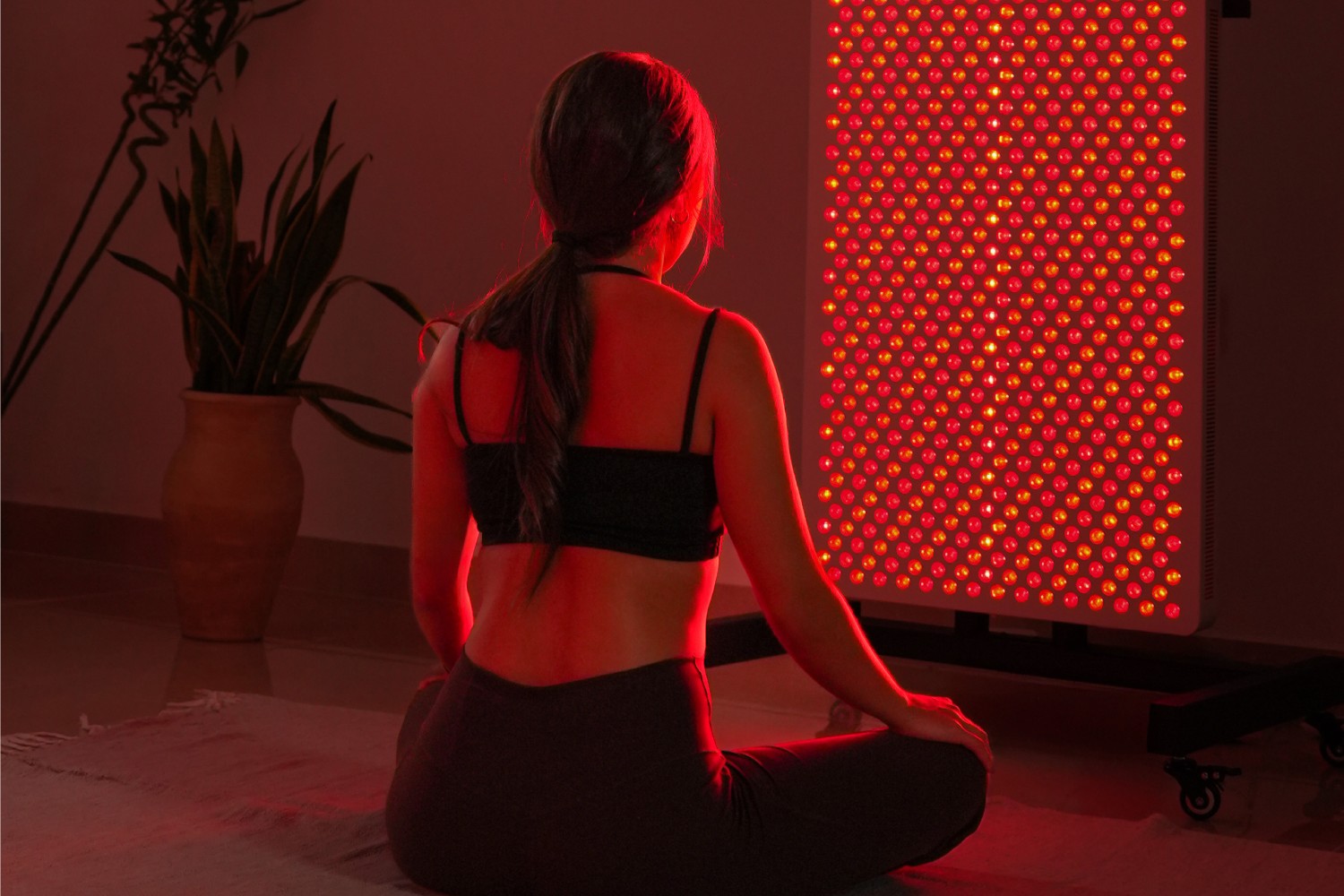
KULA Thryv Red Light Panels use 1200 medical-grade LEDs with six powerful wavelengths that fall within this range. These panels maximize recovery and wellness benefits while keeping treatments safe and effective. We'll discuss these wavelengths in detail in Section 4.
What Recent Research Tells Us
One recent study shows that Red-light LED therapy promotes wound regeneration by improving collagen synthesis and VEGF-mediated angiogenesis. This higher mitochondrial performance also reduces inflammation and accelerates cellular repair after physical exertion.
Another article published in the Stanford Medicine News Center validated the effectiveness of red light therapy for hair growth and skin rejuvenation (collagen production) from leading industry experts. It also stated that more research is needed to see its effect on athletic recovery.
Potential Health Benefits of Red Light Therapy
While there's still much to learn, we already see people finding different ways to tap into the potential benefits of red light therapy. It's particularly popular in the health and wellness industry, focusing on things like physical performance, muscle recovery, skin renewal, and pain management.
For Athletic Performance and Recovery

Many athletes in Dubai (and the world) use red light therapy to boost muscle recovery after intense workouts. It's believed to stimulate cellular energy and blood circulation, resulting in more efficient muscle repair.
1. Faster Muscle Repair:
Stimulates ATP production and blood flow to speed up muscle healing after intense workouts. That may reduce fatigue and support consistent training.
2. Reduced Muscle Soreness:
It can ease delayed onset muscle soreness (DOMS) by supporting cellular recovery. Athletes can return to their next session with less discomfort.
3. Improved Endurance:
Pre-workout light exposure can improve oxygen efficiency and energy levels, helping you train longer with less strain.
4. Synergy with Cold Plunge Therapy:
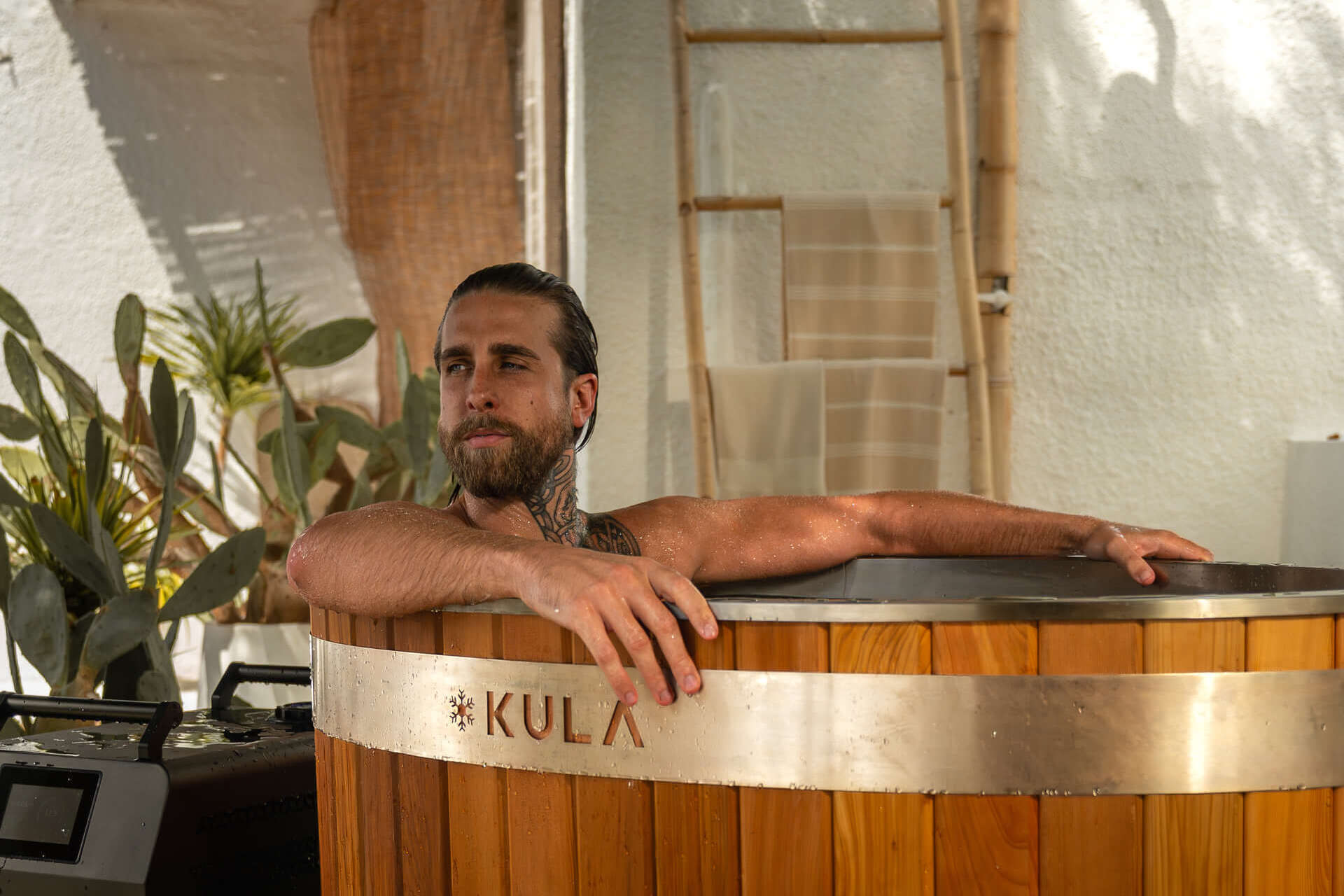
Combining cold plunge therapy and red light creates a complete recovery cycle. The cold treatment can reduce immediate inflammation, while red light exposure may support deeper tissue repair and long-term balance.
For Skin Health
Like muscle repair, people are also turning to red light therapy for skin rejuvenation without any harsh treatments. The light may increase collagen production, bringing in a host of benefits.
1. Boosts Collagen Production:
It can encourage the skin to produce collagen, improving elasticity and firmness while reducing fine lines.
2. Smooths Wrinkles and Tightens Skin:
Improved skin structure might lead to tighter, smoother, and younger-looking skin.
3. Helps Clear Acne and Scars:
It may also support the healing of acne-prone or scarred skin by promoting balanced oil control and faster regeneration.
4. Improves Texture and Tone:
Regular sessions can improve skin tone and create a soft, even surface for a healthy appearance.
For Pain Management
Red light therapy may also relieve joint pain and muscle stiffness by improving blood circulation and stimulating deep tissue repair. It could offer a gentle option for pain relief.
1. Reduces Joint Inflammation:
It can target deeper tissues to potentially lower inflammatory responses, easing joint tension and discomfort.
2. Improves Circulation in Affected Areas:
The therapy can improve blood flow, bringing nutrients and oxygen to support healing in sore muscles and joints.
3. Supports Long-Term Pain Relief:
This may help boost cell repair, providing lasting comfort rather than short-term masking of pain.
4. Complements Active Lifestyles:
Regular sessions can help people in Dubai stay active and balanced, supporting recovery from daily movement or sports-related stress.
Understand Red Light Therapy Wavelengths
There's more to natural light than we can see. It carries energy that interacts with our body in specific ways. If you're planning to use red light therapy, knowing how different wavelengths behave might help you choose the most effective treatment.
Different Wavelengths and Their Purposes
The light spectrum used in this wellness therapy falls within a therapeutic window, which is typically between 600nm and 1000nm. Within this range, the light wavelengths can deliver distinct advantages for your skin, muscles, and deeper tissues.
660nm Red Light for Surface-Level Benefits
660nm red light is absorbed mainly by our skin cells and superficial tissues. It stimulates collagen production, improves circulation, and speeds up surface healing. This wavelength is ideal for those focusing on skin rejuvenation, acne recovery, and minor wound healing.
850nm Near-Infrared for Deep Tissue Penetration
850nm near-infrared light works deeper, reaching muscles, joints, and even organs. It supports cellular repair in deeper layers by boosting oxygen flow and stimulating energy metabolism.
This wavelength can be a key for people who want to use red light therapy to manage chronic joint pain, sports recovery, or muscle fatigue. It can deliver measurable relief where surface lights cannot reach.
Why Dual Wavelengths Are Used in the Therapy
The therapy uses a combination of 660nm red light and 850nm near-infrared to create a session that targets multiple layers of tissue. The red light supports surface healing, while the near-infrared penetrates deeper, improving overall recovery and function throughout the body.
KULA Recovery's THRYV Panels

KULA Recovery's THRYV Panels are engineered with precision, combining six powerful (480nm to 850nm) wavelengths within the ideal therapeutic window. This design delivers optimal intensity and balance, maximizing recovery and relaxation in every session.
If you manage a gym, spa, hotel, or wellness center in Dubai, chances are you already have a cold plunge routine designed for your clients. Adding red light therapy with our THRYV panels can boost your recovery offerings.
These panels easily integrate with existing cold therapy setups, creating a full-spectrum wellness experience. Many facilities across Dubai and the UAE already use THRYV panels to provide clients with a modern and effective form of light-assisted recovery.
How to Use Red Light Therapy Properly
Red light therapy is effective only if you use it properly. Whether you're setting it up at home or for clients in your Dubai gym, alongside cold plunge therapy, you need to follow a clear treatment protocol to make the most of each session.
Here are a few things you need to keep in mind:
Distance and Dosage Guidelines
Light dosage is measured in joules per square centimeter (J/cm²). It means how much light energy your skin absorbs during each session. For surface-level treatments, such as skin rejuvenation, an ideal dosage is 3 – 10 J/cm². For deeper goals such as muscle or joint recovery, aim for 20 – 60 J/cm².
To achieve these levels, keep a suitable distance from the panel. Typically, staying 15 – 45cm away delivers the right balance of exposure and comfort. You may stand closer for deep-tissue benefits, while a slightly greater distance is better if you want to treat sensitive skin areas.
You should also know the irradiance (the light output). Quality devices, like KULA Recovery's THRYV panels, provide consistent irradiance across the treatment surface. In short, you get stable energy delivery in every session.
Session Duration
The next questions are: how long your sessions can be, and how many sessions you need per week? To answer these questions, remember that your body adapts to red light therapy over time.
1. Frequency per Week:
Begin with 3 – 5 sessions weekly during the first few weeks to help your body adjust. Regular use builds lasting cellular benefits.
2. Session Length:
Each session should last 5 – 20 minutes, depending on the treatment area and goal. Shorter sessions suit skin treatments, while longer ones work better for deeper recovery.
3. Surface vs Deep Treatments:
Use brief sessions for facial rejuvenation or skin care. Extend timing slightly for muscle recovery or deeper tissue repair.
4. Ideal Session Timing:
Morning sessions may boost energy and focus, while evening sessions promote relaxation and healing before rest.
5. Individual Adjustment:
Every person responds differently to red light therapy. Adjust session time and frequency based on your comfort and visible progress over weeks.
Treatment Areas
Red light therapy can cover the entire body or focus on specific areas. The right setup depends on your recovery goals, available space, and preferred routine.
1. Full-body vs Targeted Treatment:
Full-body exposure helps improve overall circulation, energy, and recovery. It is ideal for athletes or those seeking general wellness. On the other hand, targeted sessions focus on particular zones such as the knees, shoulders, or back, supporting localized muscle recovery or joint pain management.
2. Positioning for Maximum Coverage:
Keep a mid-distance (about 15 – 30 cm) from the light panel for consistent and even treatment. Direct the light evenly toward the body area you wish to treat for balanced and effective exposure.
3. Standing vs Sitting Protocols:
Standing position is best for full-body sessions and allows uniform coverage from head to toe. However, sitting position works well for upper-body or facial areas, offering stability and control for focused treatments.
Therapy Routine
Each person's response to red light therapy varies, so build a schedule that fits your goals and rhythm. A gradual increase in frequency and duration helps your body adapt and sustain progress over time.
1. Week 1 – 2: Starting Conservative
-
Begin with short session durations (5 – 10 minutes) about 3 – 4 times per week.
-
Focus on becoming comfortable with the light exposure.
-
Observe how your body reacts.
-
Keep the distance and posture consistent to build a stable foundation.
2. Week 3 – 4: Adjusting Intensity
-
Gradually extend sessions to 15 – 20 minutes or increase to 5 sessions per week.
-
If targeting muscle recovery, you can expand to deeper treatment durations within recommended limits.
-
Maintain regular sessions to support energy levels, circulation, and cell repair for lasting results.
A steady, consistent therapy routine offers long-term benefits than irregular use, helping you achieve measurable recovery and wellness improvements.
Use Other Wellness Methods
While red light therapy is an excellent choice, it's not the only way to promote wellness. If you lead an active lifestyle, you might want to use it with other wellness methods, including ice baths and sauna therapy.
KULA Recovery offers all the products you need for cold plunges and sauna treatments. Whether you use only one method or a combination, follow the treatment protocol and maintain consistency.
What to Expect
Like any other wellness method, the effects of red light therapy build gradually. Knowing your treatment timeline helps you track progress accurately and set realistic expectations.
Week 1 – 2: Initial Responses
During the first two weeks, your body begins adjusting to light exposure. Like most people, you might notice small changes, such as improved energy, better mood, and deeper sleep. These early signs show your cells are responding to the therapy's stimulation.
Week 3 – 4: Noticeable Changes
Around the third or fourth week, you'll notice visible results. For instance, your skin may appear smoother and more radiant, and even though it's a mild pain reduction, it becomes more noticeable. If you're an athlete, you might see faster recovery between workouts as your cellular energy improves.
Week 6 – 8: Significant Improvements
By weeks six to eight, you'll notice measurable progress. Typically, muscle recovery improves, inflammation decreases, and skin quality continues to be better. Many people also report fewer joint aches and faster post-exercise bounce-back. At this point, your body becomes more efficient in producing energy through light absorption.
3+ Months: Long-Term Benefits and Maintenance
After three months, progressive improvement becomes stable. Continued sessions help you maintain cellular health, improve resilience, and see visible changes in skin tone and performance.
The bottom line is that you should avoid expecting overnight changes. Your wrinkles won't disappear in 24 hours. Instead, create your own therapy routine and follow it until you see sustainable changes in your appearance and performance.
Safety Precautions for Using Red Light Therapy

Red light therapy is generally considered safe, but you still need to be careful. Know how to use this process and always follow proper safety precautions.
General Safety
In the UAE, devices used for red light therapy are typically considered medical-grade devices and need clearance from the Emirates Drug Establishment (EDE). When using a device, make sure it comes with suitable clearance.
These devices are considered safe for general wellness and recovery use. When applied correctly, the treatment causes minimal side effects. Some users may experience mild redness or a brief headache after the first few sessions, both of which typically fade quickly.
Be sure to wear eye protection, especially during prolonged exposure. Although the light used in therapy is non-harmful, bright wavelengths may cause temporary eye strain.
Always follow proper usage guidelines, including duration, frequency, and safe distance from the panel. Remember, overexposure does not lead to faster results and may cause unnecessary skin irritation.
Who Should Avoid the Therapy or Consult a Doctor
Red light therapy is generally considered safe, but some individuals should get medical advice before starting sessions. Consulting a healthcare professional helps you decide if the treatment suits your personal health condition.
1. Individuals with Photosensitivity Conditions:
People with photosensitivity disorders, such as lupus or specific skin sensitivities, may experience adverse reactions and should consult a doctor before use.
2. Those Taking Photosensitizing Medications:
If you are taking antibiotics, diuretics, or other photosensitizing drugs, talk to your healthcare provider, as these can increase light sensitivity.
3. Active Cancer Patients:
Anyone undergoing cancer treatment should speak with an oncologist before starting light-based therapy, as research in this area is limited.
4. Pregnant Women:
There is minimal research on how red light therapy affects pregnancy, so expectant mothers should approach with caution and get medical guidance first.
5. Thyroid Conditions:
Those with thyroid disorders should get professional monitoring, as the therapy may influence hormonal activity in the neck area.
Steer Clear of these Common Myths
Like cold plunge therapy, this process also comes with its fair share of misconceptions. For instance, some people mistakenly compare red light therapy to UV tanning lights. In reality, these therapies are entirely different. Red and near-infrared light contain no UV radiation, meaning they do not cause skin damage or increase the risk of cancer.
Another frequent misunderstanding involves heat versus light therapeutic effects. The benefits come from light absorption at the cellular level, not from heat generation. Professional-grade panels like our THRYV range operate within safe temperature limits.
Choose the Right Red Light Therapy Device

It's easier to get the best out of your red light therapy sessions if you use the right device. Whether it's panel selection or LED quality, you must check every specification to make sure the device meets your goals and lifestyle.
What Makes a Quality Red Light Panel
A high-quality panel delivers stable light output, accurate wavelengths, and safe heat levels. It uses premium-grade LEDs that emit consistent irradiance levels. When reviewing panels, check if the wavelength accuracy is correct.
Key Specifications You Should Check
When choosing a red light therapy device, focus on the technical details that affect treatment quality and safety.
-
Check that irradiance levels fall between 30 – 100 mW/cm² for balanced energy absorption.
-
Select devices with low or shielded EMF emissions for frequent and safe use.
-
Confirm verified performance data from lab testing to get reliable results.
-
Be sure the panel operates within the red and near-infrared wavelength range.
-
Choose models that offer consistent and even light coverage across the treated area.
Think about the Panel Size
Choosing the right panel size depends on your treatment goals and available space. Larger panels suit full-body recovery, while smaller ones fit targeted or on-the-go use.
1. Full-Body Panels:
Large panels or wall-mounted units provide wide coverage for full-body recovery. They are ideal for athletes or daily users who want to treat multiple muscle groups simultaneously.
2. Mid-Size Panels:
Medium panels offer flexibility for partial treatments, such as legs, back, or torso. They balance coverage and convenience, fitting easily into most home setups.
3. Portable or Small Panels:
Compact models are perfect for targeted treatment on joints, specific muscles, or facial areas. They are lightweight, easy to move, and effective for localized relief.
Medical-Grade vs. Consumer-Grade Devices
Medical-grade devices are safer because they are EDE-approved. They generally feature stronger LEDs, tighter wavelength control, and consistent light distribution. You'll usually see these systems in professional recovery centers and medical clinics.
Budget and Value
Budget matters, but cutting costs should not mean compromising on safety or results. Always choose medical-grade devices with proper certifications, tested irradiance data, and reliable cooling design.
Use Red Light Therapy with Other Recovery Methods

Leading a healthy lifestyle and maintaining wellness can't be achieved by relying on one method, like red light therapy alone. Using complementary treatments, like cold plunges, accelerates your recovery and boosts overall wellness.
Red Light Therapy + Cold Plunge Sequence
One of the best combinations you can try is red light therapy and cold plunges. It blends warmth, circulation, and controlled cooling to boost muscle repair and resilience.
-
Starting with red light therapy warms muscles and boosts blood flow.
-
The cold plunge activates the nervous system and reduces inflammation.
-
The contrast between heat and cold improves the body's adaptive response.
-
Regular use supports faster muscle recovery and sustained energy levels.
-
It's popular in Dubai for post-training recovery and focus.
Red Light Therapy + Sauna Benefits
Pairing a sauna session with red light therapy deepens relaxation and supports detoxification. The combination strengthens cellular performance and restores tissue balance.
-
Sauna heat increases circulation and promotes deep tissue relaxation.
-
Red light exposure afterward restores cellular energy and aids recovery.
-
Better oxygen delivery accelerates natural repair processes.
-
Both therapies promote long-term balance, healing, and vitality.
-
Keep a 20-30 minute gap between sessions to let the body adjust naturally.
Build Your Comprehensive Recovery Routine
Whether you're going for contrast therapy or any other option, a custom wellness plan works best when built around consistency. Thankfully, Dubai has a very active and growing wellness community, which provides you with support and guidance.
KULA Recovery is at the heart of cutting-edge wellness trends in Dubai and the rest of the UAE. Our experts continue to help individuals, hotels, apartment complexes, wellness centers, and gyms set up recovery areas, including cold plunges, saunas, and red light therapy panels.
Conclusion: Ready to Feel the Difference?

Living in Dubai means leading a demanding lifestyle, and red light therapy provides the perfect recovery support for this daily hustle. When combined with other wellness methods such as cold plunges and saunas, it can help you lead a healthy, more energetic life.
Whether you want guidance for setup or integration into an existing routine, KULA Recovery is a name you can trust across the GCC wellness market. Start your recovery journey with us, select the product you want, and get doorstep delivery & installation anywhere in the UAE for free.
Shop now or call 971 55 772 9060 if you need help with your order.