
Cold plunging has become part of the daily routine for athletes, gym-goers and busy professionals across Dubai. People use it to recover faster, wake up properly, clear their head and feel incredible for the rest of the day.
If you lift weights, you may also have read that you need to be careful about when you plunge. The good news is that it comes down to simple timing. Get it right and you get every benefit of the cold without compromising your training.
Cold plunge and your workout: the quick answer
- Lifting days: plunge in the morning to start your day, or later in the evening, a few hours after your weights session.
- Rest days: the perfect time for a longer, relaxed plunge.
- HIIT, CrossFit, running, cycling, padel and team sports: plunge straight after, within 30 to 60 minutes of finishing.
- Temperature: 10 to 15°C is the sweet spot.
- Duration: 2 to 5 minutes for most people; beginners start with 1 to 2 minutes.
- Frequency: 3 to 4 sessions a week to start, and many people build up to a daily habit.
Why So Many People Start Their Day With a Cold Plunge
Ask most regular plungers when they get in and the answer is first thing in the morning. A few minutes in cold water is the fastest way to go from groggy to fully switched on.
- Instant energy and focus: cold exposure triggers a release of noradrenaline and dopamine, the chemicals linked to alertness, focus and motivation. It is a better wake-up than any coffee.
- A mood lift that lasts: most people step out feeling calm, clear-headed and genuinely happy, and that feeling carries through the morning.
- A mental reset: for a few minutes there is no phone, no inbox and no noise, just your breathing. Many people use it as their daily reset button for stress.
- Mental resilience: choosing to do something hard first thing sets the tone for the rest of the day.
- Beating the Dubai heat: a plunge cools you down fast and keeps you feeling fresh long after you get out.
A morning plunge also fits perfectly around training. Plunge when you wake up, train later in the day, and you get the energy boost without any effect on your workout.
Cold Plunging and Building Muscle: How to Time It
If your main goal is building muscle, the one thing to know is to give your body a few hours after a weights session before you plunge. The studies that looked at muscle growth had people plunging within minutes of finishing their lifts. Leave a gap of a few hours, or plunge on rest days, and you get all the recovery benefits while your muscles do their work.
In practice, most lifters plunge in the morning, in the evening after a daytime session, or on rest days. For cardio, conditioning and sport, plunge straight away. That is exactly when the cold helps most.
Cold Plunge Timing for Every Type of Workout

1. Strength Training and Bodybuilding
Plunge in the morning before your day starts, in the evening a few hours after your session, or on rest days. Straight after lifting, do a light ten-minute warm-down on the bike or treadmill instead.
2. Cardio and HIIT
Plunge straight after. Cardio and high-intensity interval training offers unique benefits, and only six months of consistent HIIT can help improve your physical and cognitive health. A quick plunge right after brings your heart rate and body temperature down, eases soreness and gets you ready for the next session.
3. Endurance Sports (Running, Cycling, Swimming)
Plunge within 30 minutes of finishing. After a long run or ride in the UAE heat, cooling off fast is exactly what your body wants, and your legs will thank you the next day.
4. CrossFit and Functional Training
Plunge within an hour of finishing, especially if you train again the next day. If a session was mostly heavy lifting, treat it like a strength day and plunge later.
5. Team Sports (Football, Rugby, Basketball, Padel)
Plunge straight after the match or training session. It cools you down, eases soreness and gets you ready for the next game. That is why professional teams have ice baths in the changing room.
6. Combat Sports (Boxing, MMA, Jiu-Jitsu)
Plunge within 30 to 60 minutes of sparring or a match to help with bruising, swelling and joint soreness. It's one of the best cold plunge therapy benefits for combat athletes.
The Perfect Cold Plunge Routine

Step 1: Set the Right Water Temperature (10–15°C / 50–59°F)
The water needs to be cold but not freezing. Between 10°C and 15°C gives you all the benefits and is comfortable enough to make it a daily habit.
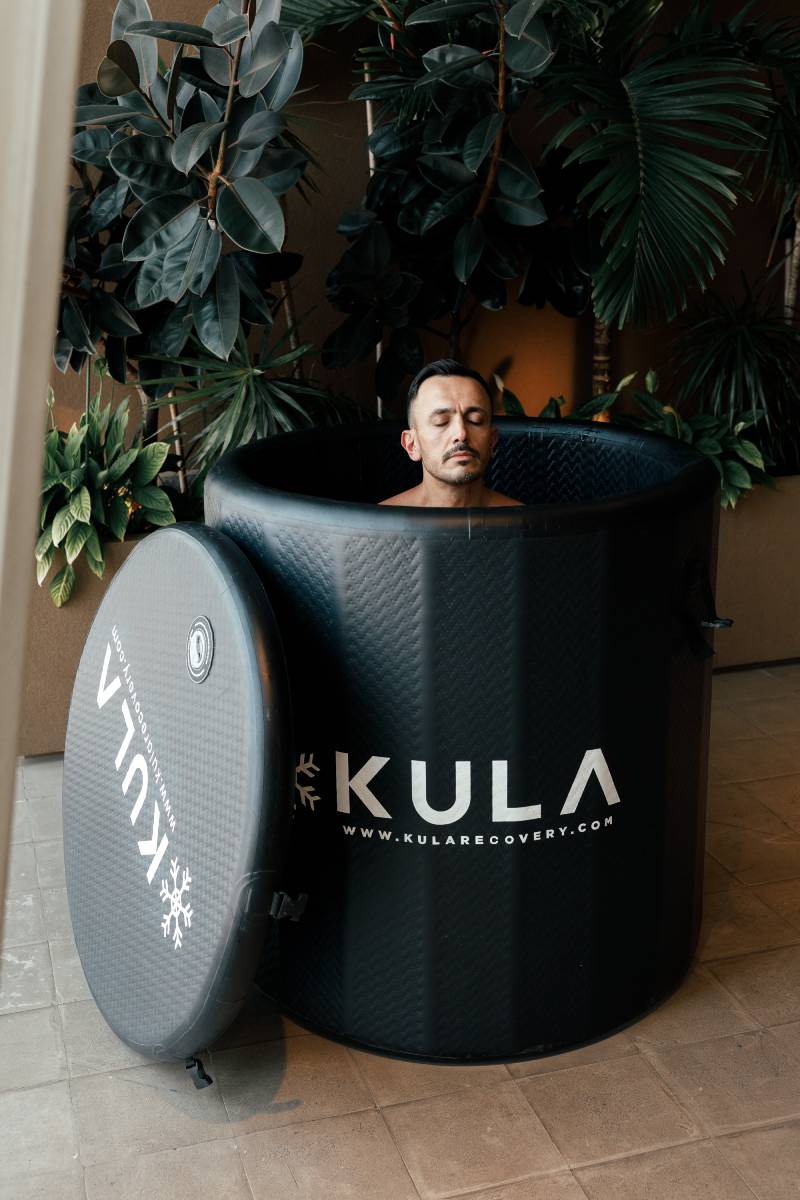
The easiest way to get it right every time is a cold plunge with a chiller. A KULA ice bath chiller holds your water at exactly the temperature you set, so it is ready whenever you are, with no bags of ice to buy. The Alpha 1HP chiller suits most home setups, while the Super Chiller 1.5HP cools down to 2°C, heats up to 42°C and keeps the water clean with built-in ozone sanitisation.
Step 2: Get the Duration Right
Two to five minutes is right for most people. Beginners start with one to two minutes and build up. Experienced plungers often go to six to eight minutes.
Step 3: Control Your Breathing
Take slow, deep breaths: in through your nose, out through your mouth. Relax your shoulders and stay still. Within about thirty seconds the cold shock passes and the calm sets in. You can also try the Wim Hof method, which combines cold, breathing and mindset.
Step 4: Adjust to Your Day
A quick two-minute plunge is perfect for a morning wake-up. After a long run or a hard match, go closer to five or six minutes.
Step 5: Warm Up Naturally
Wrap up in a towel or robe, move around gently and let your body warm up by itself. This is when the post-plunge glow really kicks in.
Sample Routines

The Morning Reset
Wake up, two to three minutes at 10–12°C, warm up naturally, then start your day. Ideal for everyone, whatever your training.
The Lifter's Routine
Morning plunge to start the day, train later on, and use rest days for a longer three to five minute plunge at 10–15°C.
The Post-Cardio Cool-Down
Two to four minutes at 10–12°C straight after HIIT, a run or a spin class.
The Match Day Recovery
Three to five minutes at 10–13°C straight after the game to get you ready for the next one.
After Your Plunge

1. Warm Up Gradually
A towel, a warm drink and some gentle movement bring your temperature back up naturally.
2. Rehydrate
Drink water after your plunge, and add electrolytes after an intense session.
3. Stretch
Once you're warm, try forward bends, hip openers or hamstring stretches.
4. Refuel
A protein-rich meal such as eggs, grilled chicken or a recovery shake sets you up for the day.
Tips to Get the Most From Every Plunge

- Time it around your lifting: mornings, evenings and rest days are your best friends on strength days.
- Keep it cold, not freezing: 10–15°C is all you need.
- Start short: build up gradually and keep most sessions under ten minutes.
- Breathe slowly: it turns the shock into calm.
- Be consistent: the benefits build when it becomes a habit. For more, see our guide to the 8 mistakes people make with cold plunge therapy.
Take It Further: Hot and Cold

1. Contrast Therapy
Moving between a cold plunge and a sauna is one of the most popular recovery rituals in the world. Try one to two minutes cold, two to three minutes hot, repeated for about fifteen minutes. It leaves you feeling relaxed, refreshed and completely reset.
2. Compression
Once you've warmed up after a plunge, 20 to 30 minutes in compression boots is a great way to ease heavy legs and Delayed Onset Muscle Soreness (DOMS).
3. Sleep
Many people find an evening plunge, at least an hour before bed, helps them wind down and sleep more deeply. Aim for the seven to nine hours experts recommend.
Related from KULA: see our guides to ice bath prices in Dubai and commercial saunas for gyms, hotels and spas.
FAQs: Cold Plunging and Your Workout
1. Will a cold plunge after the gym affect my gains?
Not when you time it right. Simply give yourself a few hours after a weights session, or plunge in the morning or on rest days. After cardio, HIIT and sport, plunge straight away.
2. How long after lifting should I cold plunge?
Most lifters leave a gap of a few hours, often four to six, or simply plunge in the morning or on rest days.
3. Should I cold plunge before or after a workout?
Both work. A morning plunge is a brilliant way to wake up and get focused, and works perfectly when you train later in the day. Straight after cardio and sport is ideal for recovery. Just avoid jumping in immediately before a heavy session, as you want your muscles warm when you lift.
4. Is a cold plunge good for mental health?
Many people plunge as much for their mind as their body. Cold exposure triggers a release of noradrenaline and dopamine, and most people step out feeling alert, calm and in a better mood. It is also a few minutes of complete focus away from your phone.
5. Can I cold plunge every day?
Yes, many people make it a daily morning habit. If you're new, start with three to four sessions a week and build up.
6. How long should a cold plunge last?
Two to five minutes suits most people. Beginners can start with one to two minutes.
7. What's the ideal cold plunge temperature?
10–15°C (50–59°F) gives you the benefits and is comfortable enough to keep coming back to.
8. Can cold plunges improve athletic performance?
Cold plunges help you feel less sore and recover faster between sessions, so you can train more consistently. That is why so many athletes rely on them for peak performance.
9. What equipment do I need?
The easiest way to make cold plunging a habit is a cold plunge with a chiller at home: the water is always at your perfect temperature, ready for a morning plunge or an evening session, with no ice to buy. The simplest complete setup is the KULA Build Your Cold Plunge combo, pairing the Barrel Plunge Pro or Oval Plunge Pro tub with a chiller, from AED 8,999 delivered and installed. For gyms and serious home setups, the Performance Pro Ice Bath with Chiller adds a solid, commercial-grade tub with filtration and Wi-Fi smart controls.
Start Your Cold Plunge Habit With KULA Recovery
Whether it's your morning reset, your post-match recovery or your rest-day ritual, a cold plunge at home makes it effortless to feel your best every day.
KULA Recovery supplies cold plunges, saunas and red light therapy to homes, gyms and hotels across the UAE, with free delivery, full installation by our own team and local maintenance backing every unit.
Explore our cold plunges and ice baths, or get in touch with our team for advice on the right setup for you.
If you have a heart condition or high blood pressure, check with your doctor before you start cold plunging.